Top 20 Trends in Decentralized Exchange Software Development
How Layer-2 Solutions Are Revolutionizing DEX Platforms
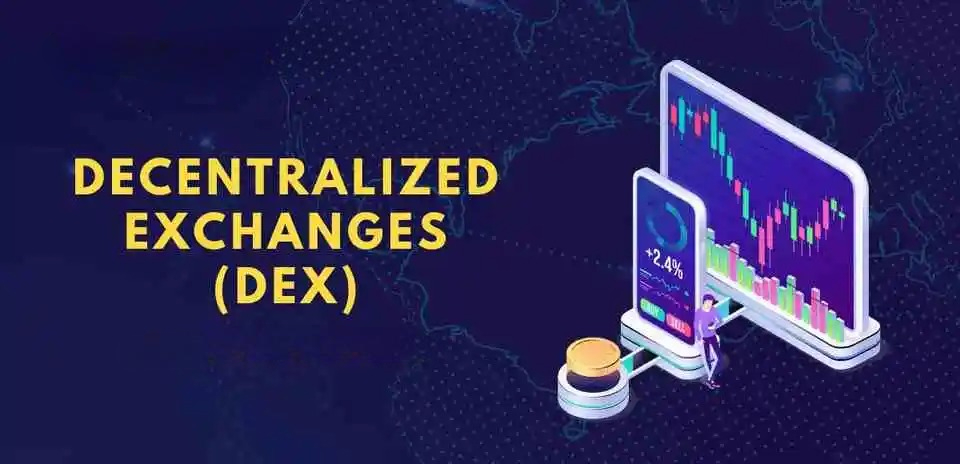
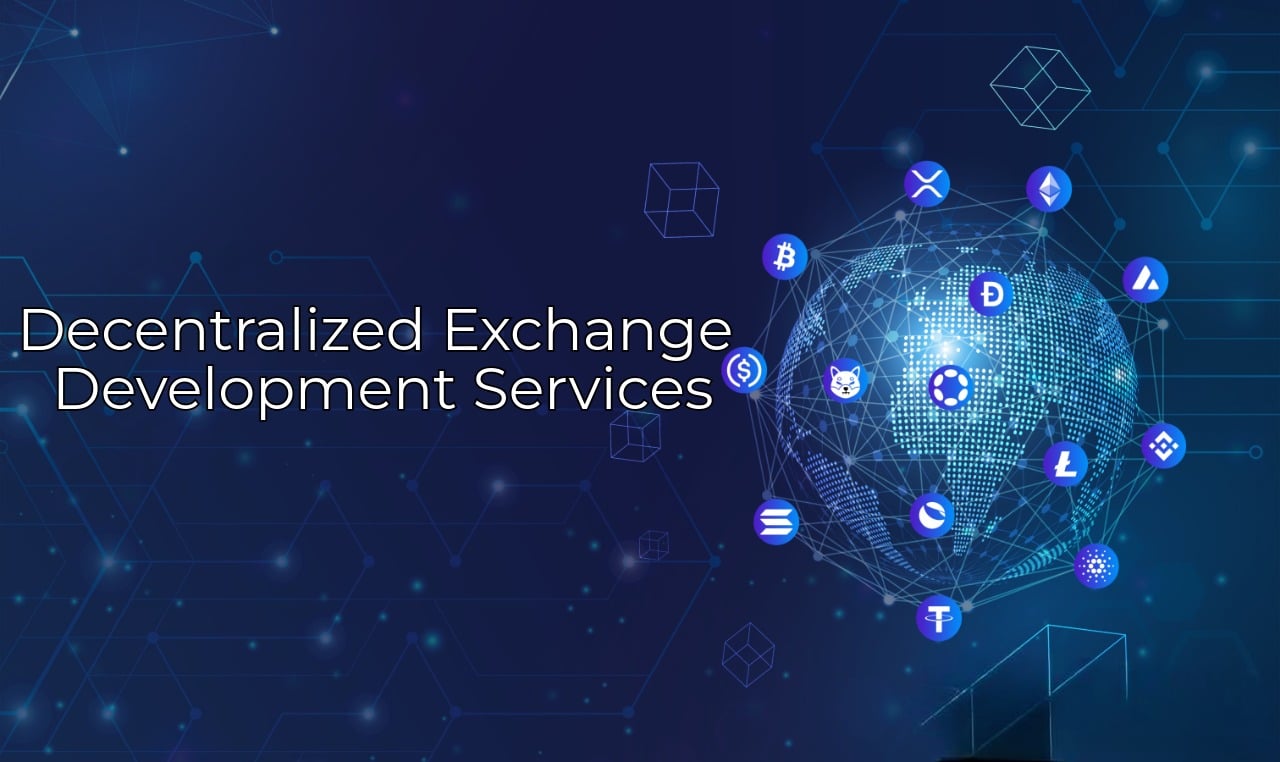
Decentralized exchanges (DEXs) have gained significant attention in recent years, becoming a cornerstone of the crypto ecosystem. Unlike centralized exchanges, DEXs allow users to trade cryptocurrencies directly with one another without relying on a central authority. This has led to an explosion in DEX development, as more projects aim to improve security, scalability, and user experience. Below, we explore the top 20 trends currently shaping decentralized exchange software development.
1. Cross-Chain Trading
Cross-chain technology enables seamless trading of assets across different blockchain platforms. DEXs are increasingly adopting cross-chain protocols like Polkadot and Cosmos to allow users to trade tokens on different blockchains without intermediaries. This is vital in breaking down blockchain silos, improving liquidity, and providing a broader range of assets.
2. Integration with Layer-2 Solutions
Layer-2 scaling solutions like Optimistic Rollups and zk-Rollups are gaining popularity for improving transaction speed and reducing gas fees. By integrating these solutions, DEXs can provide a faster, more efficient trading experience, addressing scalability issues faced by traditional decentralized exchanges.
3. Automated Market Makers (AMMs)
AMMs like Uniswap and PancakeSwap have revolutionized liquidity provision by automating the process through algorithms. As DEXs evolve, more advanced AMMs are being developed with improved liquidity management, enabling better price stability and lower slippage for users.
4. Decentralized Autonomous Organizations (DAOs)
DAOs play a significant role in decentralized governance, allowing users to have a say in the decision-making process of the exchange. Many DEXs are integrating DAO mechanisms to empower the community and ensure that governance is decentralized, secure, and transparent.
5. Privacy-Preserving Technology
Privacy is a growing concern in the crypto space. As a result, DEX developers are implementing privacy-focused technologies like zk-SNARKs (zero-knowledge succinct non-interactive arguments of knowledge) to allow private trading. This ensures user data and transactions remain secure while still maintaining decentralization.
6. Tokenization of Real-World Assets
Tokenized real-world assets, such as real estate, art, and commodities, are becoming increasingly available for trading on DEXs. Through blockchain technology, these assets are tokenized, enabling users to trade and invest in traditionally illiquid markets.
7. Security Enhancements
Security remains a critical concern for DEX development. As decentralized exchanges grow, advanced security mechanisms like multi-signature wallets, decentralized oracles, and secure smart contract audits are being implemented to reduce vulnerabilities and prevent exploits.
8. Decentralized Oracles
Oracles provide DEXs with real-world data, such as asset prices and market conditions, without relying on centralized entities. Decentralized oracles are gaining traction as they ensure more secure and trustworthy data feeds, reducing the risk of manipulation.
9. Interoperability Standards
Interoperability standards such as the Interledger Protocol (ILP) and the Ethereum Token Standard (ERC) are essential for DEXs to interact seamlessly across different networks. By adopting common standards, DEXs can facilitate smoother operations and reduce friction for users.
10. Governance Tokens
Governance tokens are playing an increasingly important role in decentralized exchanges. These tokens give users the ability to vote on key decisions regarding platform upgrades, fee structures, and more, ensuring that the community plays a central role in the platform's evolution.
11. Non-Fungible Token (NFT) Integration
DEXs are not only focused on token trading but are also beginning to support the exchange of non-fungible tokens (NFTs). This integration allows users to trade unique digital assets, expanding the utility of DEXs into new and exciting areas of digital ownership and collectibles.
12. Staking and Yield Farming
Staking and yield farming have become key features of many DEXs. Users can stake their assets to earn rewards or participate in liquidity pools to generate yields. As decentralized finance (DeFi) continues to grow, these features are being enhanced to offer better returns and more flexible options.
13. Flash Loans
Flash loans are a type of uncollateralized lending that has gained popularity on decentralized exchanges. These loans allow users to borrow assets for a very short period, typically within a single transaction. DEXs are increasingly supporting these services, opening up new possibilities for arbitrage and trading strategies.
14. Synthetic Assets
Synthetic assets are blockchain-based assets that replicate the value of real-world assets, such as stocks, commodities, and indices. By creating synthetic assets on DEXs, traders can gain exposure to traditional markets without intermediaries or borders.
15. On-Chain KYC and AML Solutions
On-chain Know-Your-Customer (KYC) and Anti-Money Laundering (AML) processes are becoming more prevalent in DEXs. With regulatory pressures increasing, DEX developers are integrating on-chain identity verification systems that ensure compliance without compromising user privacy.
16. Decentralized Custody Solutions
Many DEXs are exploring decentralized custody solutions to enhance security and reduce reliance on centralized storage. These solutions allow users to retain full control over their assets while still enjoying seamless trading experiences.
17. Decentralized Lending and Borrowing
Lending and borrowing protocols are expanding within decentralized exchanges. These services allow users to lend their assets for interest or borrow assets to facilitate leverage in trading. This trend is contributing to the growth of the broader DeFi ecosystem.
18. AI and Machine Learning for Price Prediction
Artificial Intelligence (AI) and machine learning algorithms are being employed to enhance price prediction models on DEX platforms. By analyzing market trends and data, AI can help predict price movements, providing users with more informed trading decisions.
19. User Experience (UX) Improvements
The user interface and experience are pivotal to the success of any DEX. Developers are constantly improving the UX by making interfaces more intuitive, reducing transaction times, and simplifying the overall process for both beginners and experienced traders.
20. Mobile DEX Development
Mobile accessibility is becoming a key trend in DEX development. With more users accessing exchanges via mobile devices, DEX platforms are optimizing their apps and interfaces to ensure a smooth and efficient trading experience on smartphones and tablets.
Conclusion
As the decentralized finance (DeFi) ecosystem continues to evolve, DEX development trends will keep shaping the future of cryptocurrency trading. By focusing on security, interoperability, and scalability, decentralized exchanges are creating more accessible and user-friendly platforms that cater to a global audience. The integration of cutting-edge technologies like AI, cross-chain functionality, and privacy-preserving tools will undoubtedly contribute to DEXs becoming a central part of the blockchain ecosystem in the coming years.